Digital marketing is no longer an optional strategy. It is the primary driver of brand visibility, customer acquisition, and revenue growth in the digital economy. Businesses that fail to adopt digital marketing systematically lose relevance, reach, and competitiveness.
What Is Digital Marketing?

Digital marketing refers to the promotion of products, services, or brands through digital channels such as search engines, websites, social media platforms, email, and mobile applications.
Digital Marketing is the strategic use of internet-based channels—such as search engines, social media, websites, email, and mobile apps—to promote products or services, attract targeted audiences, convert them into customers, and measure results in real time.
Unlike traditional marketing, digital marketing is data-driven, measurable, and scalable.
Its core objective is simple: Reach the right audience, at the right time, with the right message.
Key Components of Digital Marketing:
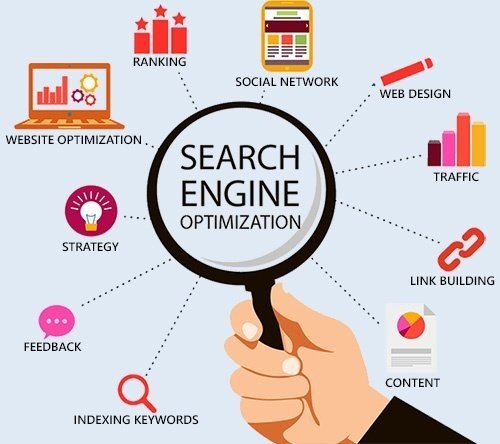
1. Search Engine Optimization: SEO focuses on improving a website’s visibility on search engines like Google. Higher rankings result in increased organic traffic and long-term credibility.
-
On-page SEO (content, keywords, structure)
-
Off-page SEO (backlinks, authority)
-
Technical SEO (site speed, mobile optimization)
- SEO is slow but sustainable. Businesses that ignore SEO rely permanently on paid traffic, which is inefficient.
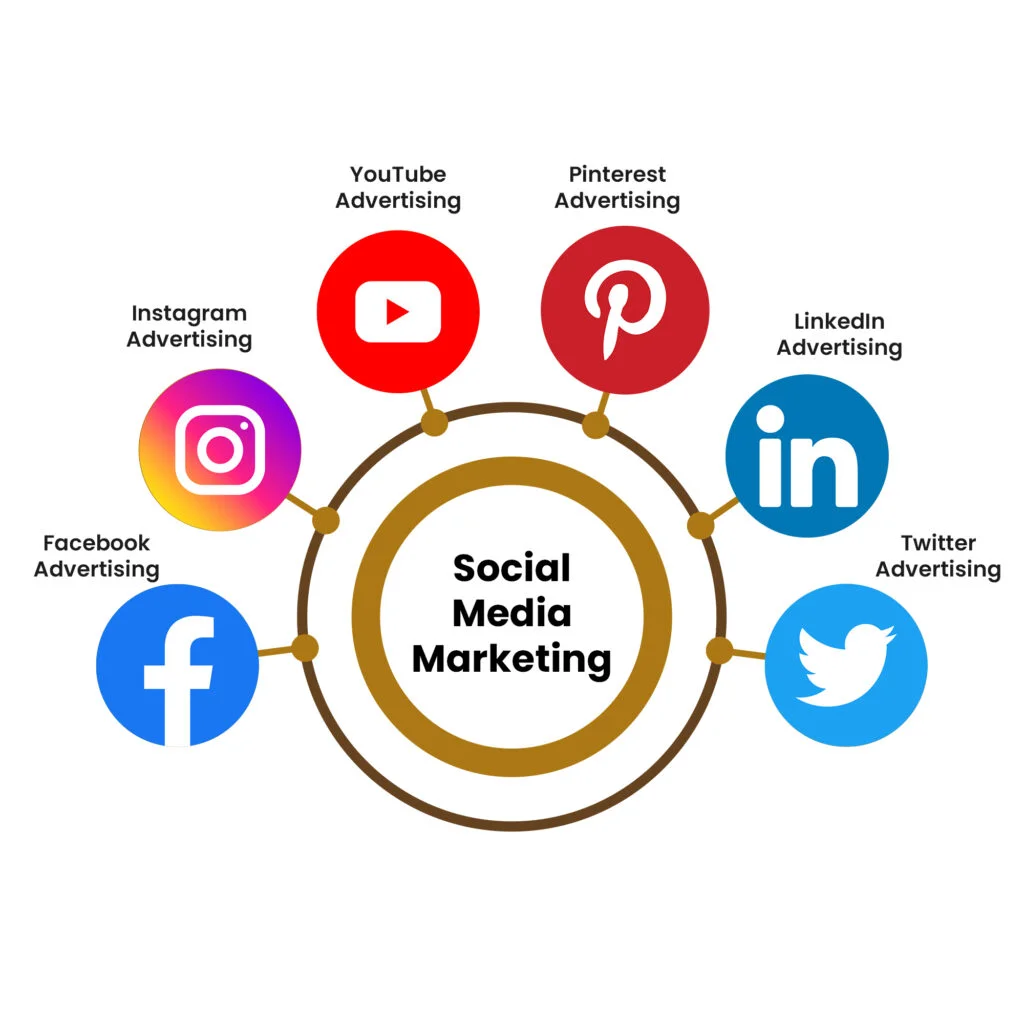
2. Social Media Marketing: Social Media Marketing is done through Social media platforms such as Instagram, Facebook, LinkedIn, and X are used to build brand awareness and community engagement.
Effective social media marketing requires:
Platform-specific strategy
-
Consistent posting
-
Data-backed content planning.
-
Posting randomly does not work. Strategy determines results.
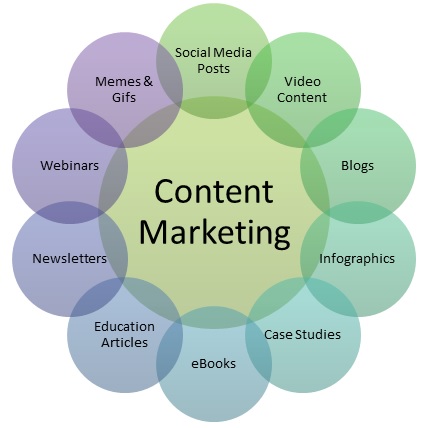
3. Content Marketing: Content marketing involves creating valuable, relevant, and consistent content to attract and retain a target audience. Examples include:
-
Blog articles
-
Videos
-
Infographics
-
Case studies
Content builds trust. Without quality content, all other digital marketing efforts weaken.

4. Pay-Per-Click Advertising (PPC):
PPC allows businesses to place paid ads on search engines and social platforms.
-
Google Ads
-
Meta Ads
-
YouTube Ads
PPC delivers immediate traffic but requires precise targeting and budget control. Poorly managed ads burn money quickly.
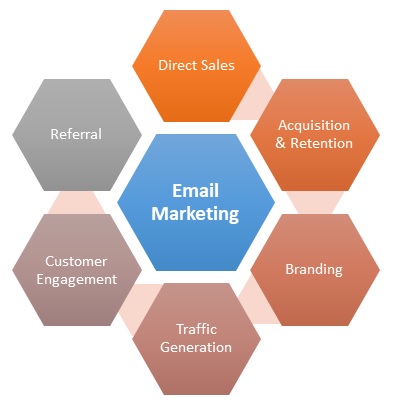
5. Email Marketing:
Email marketing remains one of the highest ROI digital marketing channels.
It is used for:
-
Lead nurturing
-
Customer retention
-
Promotions and updates
When done correctly, email marketing outperforms most social platforms in conversions.

6. Analytics and Data Tracking: Digital marketing is measurable. Analytics and Data Tracking can be done through the tools like Google Analytics and Search Console allow marketers to track performance in real time. Key metrics include:
-
Traffic sources
-
Conversion rates
-
User behavior
-
ROI
Without analytics, digital marketing becomes guesswork.
Why Digital Marketing Is Important
Digital marketing is important because traditional marketing alone no longer works. Attention has shifted online. Businesses must follow it or lose relevance.
-
Global reach at low cost
-
Precise audience targeting
-
Real-time performance tracking
-
Higher conversion potential
-
Scalable growth
Traditional marketing cannot compete with this level of control and efficiency.
Digital Marketing in the Future
Automation, artificial intelligence, and personalization are shaping the future of digital marketing. Algorithms now influence content visibility, ad delivery, and customer behavior analysis.
Digital marketing will not become optional, creative-only, or “easy.” It will become more technical, more data-driven, and more competitive. Anyone relying on basic posting or outdated tricks will be eliminated.
Marketers who fail to adapt to these changes will be replaced by those who understand data, technology, and strategy.
Conclusion
Digital marketing is not about posting content or running ads blindly. It is a structured process that combines strategy, creativity, and data analysis to achieve business goals.
Organizations that invest in digital marketing with clarity and discipline gain a long-term competitive advantage. Those who treat it casually do not survive.
Leave a Reply